
Ideas for a better investment
Nine Exit Strategies for Non-Performing Loans
Learn about the nine exit strategies for non-performing loans and how to maximize returns on your investments.

5 min read

Introduction
Today, we will discuss the nine exit strategies you can use with a non-performing loan. We will dive deep into this topic, providing you with the most important information. So, let’s get started!
Exit Strategy 1: Turning Non-Performing Loans into Re-Performing Loans
The quickest and easiest path of resistance is turning non-performing loans back into re-performing loans. When dealing with someone who is unable to make payments, it is essential to treat them like a person. Ask them if they want to keep their house. In many cases, they will express the desire to do so. By collecting some money up front and putting them on a forbearance plan, you can turn the loan into a re-performing one. This strategy requires the least amount of money out of your pocket and generates returns quickly.
Exit Strategy 2: Deed in Lieu of Foreclosure
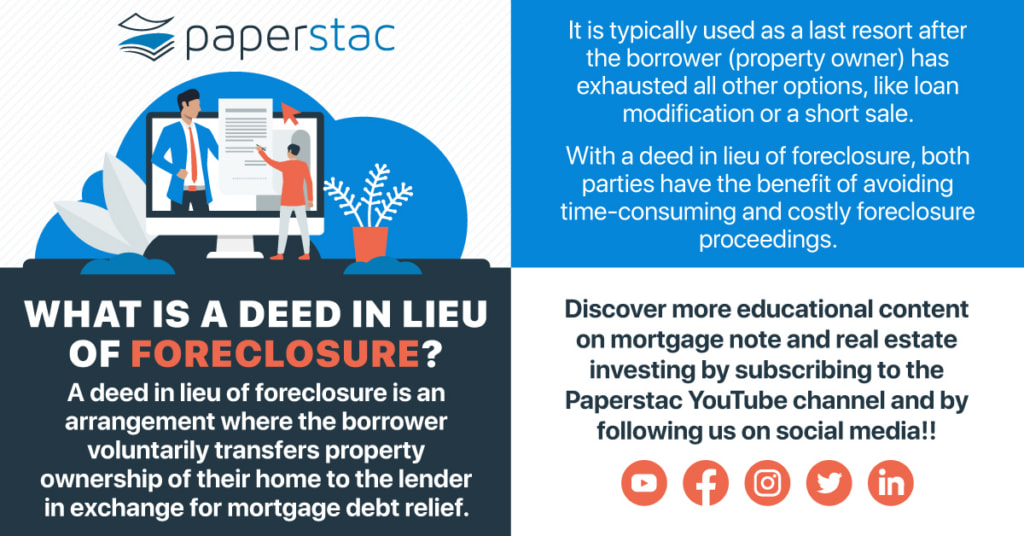
If turning the loan into a re-performing one is not feasible, the next option is to pursue a deed in lieu of foreclosure. In this scenario, the borrower agrees to sign the house over to you, and in return, you forgive the mortgage. They also agree not to be pursued for any deficiencies. It is advisable to combine this strategy with a consent judgment to address any unexpected issues that may arise, such as additional liens or outstanding payments.
Exit Strategy 3: Foreclosure
Unfortunately, foreclosure is sometimes inevitable. It is an essential part of the business and should be considered when other options are exhausted. Once the foreclosure process is complete, you will need to decide what to do with the property.

Exit Strategy 4: Reselling to Cash Buyers
After foreclosing on a property, one option is to resell it for cash to an investor. Many buyers are in the market right now looking to purchase properties with cash, especially in areas like Florida, where people from the Northeast are relocating. Selling to cash buyers can provide a quick return on your investment.
Exit Strategy 5: Reselling to Owner Occupants
Another common option is to resell the property for cash to an owner-occupant. This is especially attractive in the current market, where there is a high demand for homes. Many individuals have sold their properties and have cash on hand to purchase a new home. You can sell the property quickly and generate returns by targeting these buyers.
Exit Strategy 6: Fix and Flip
If you prefer to work with investors, you can resell the property to someone who specializes in fix and flip projects. These individuals buy properties, renovate them, and sell them for a profit. Fix and flip projects are common in the real estate industry and can provide lucrative returns.

Exit Strategy 7: Owner Financing
This strategy involves selling the property to a buyer on a contract for deed, where the buyer pays the investor directly rather than going through a bank. This can be a good option for buyers who don’t qualify for traditional financing.
Exit Strategy 8: Rental
Lastly, you can choose to rent out the property. This strategy is suitable for long-term investors who want to generate consistent rental income. If you decide to pursue the owner financing route, you may also have the option to sell partial interests in the property, allowing you to diversify your investment.
Exit Strategy 9: Consent Judgment
In this strategy, the investor and the homeowner agree to a consent judgment, which is a court order that sets out a payment plan for the homeowner to bring the loan current.
Frequently Asked Questions
Q: What is the quickest and easiest exit strategy for non-performing loans?
A: The quickest and easiest exit strategy is to turn non-performing loans back into re-performing loans. By working with borrowers, collecting some money up front, and putting them on a forbearance plan, you can quickly generate returns.
Q: What is a deed in lieu of foreclosure?
A: A deed in lieu of foreclosure is an agreement where the borrower signs the house over to the lender in exchange for forgiving the mortgage. This strategy allows both parties to avoid the lengthy foreclosure process.
Q: What are the options after foreclosing on a property?
A: After foreclosing on a property, you can choose to resell it to cash buyers, owner occupants, or investors. Additionally, you can consider owner financing or rental options to generate ongoing income.
Q: Can I sell partial interests in the property?
A: If you opt for owner financing, you may have the opportunity to sell partial interests in the property, providing you with a diversification option for your investment.
Conclusion
Non-performing loans require careful consideration and planning for successful exit strategies. By exploring options such as turning loans into re-performing ones, pursuing deeds in lieu of foreclosure, or going through the foreclosure process, you can find the best path for your investment goals. Whether you choose to resell, offer owner financing, or rent out the property, there are multiple avenues to generate returns and maximize your investment.
Disclaimer
This blog is for informational purposes only and does not constitute professional advice.
This blog post is based on a Paperstac podcast episode with Rick Allen and Brett Burky.
Thank You For Reading
We hope you enjoyed reading this article from the Paperstac Blog! Don’t hesitate to get in touch with jessica@paperstac.com with any mortgage note industry topics or collaboration inquiries you would like us to cover on the Paperstac blog.
Paperstac
To gain a deeper understanding of our platform, its features, and the incredible team behind it, and to explore how it can benefit you, we invite you to visit our website.
For more information about us, please visit: https://paperstac.com/about.
Share This Article
Don’t forget to share this article on your favorite social media platforms and with others you feel can benefit from it.