
Ideas for a better investment
Payment History & Servicing Notes in Note Investing
Payment history is important in evaluating borrower behavior and financial habits. Analyzing payment patterns helps determine loan risk.

9 min read

Introduction
In this post, we will focus on two critical aspects of note investing: payment history and servicing notes. These components provide essential insights into the borrower’s behavior and financial habits, enabling investors to make informed decisions.
The Importance of Payment History
Payment history is crucial in understanding the borrower’s financial behavior. By analyzing payment history, investors can determine if the borrower has been making timely payments or falling behind. This information is vital in assessing the risk associated with the loan and the borrower’s reliability.

Payment history is crucial to understanding the borrower’s behavior and financial habits. By analyzing the payment history, we can determine whether the borrower has been making timely payments or has fallen behind on their obligations. This information gives us insight into the borrower’s reliability and helps us assess the risk associated with the loan.
The Significance of Servicing Notes
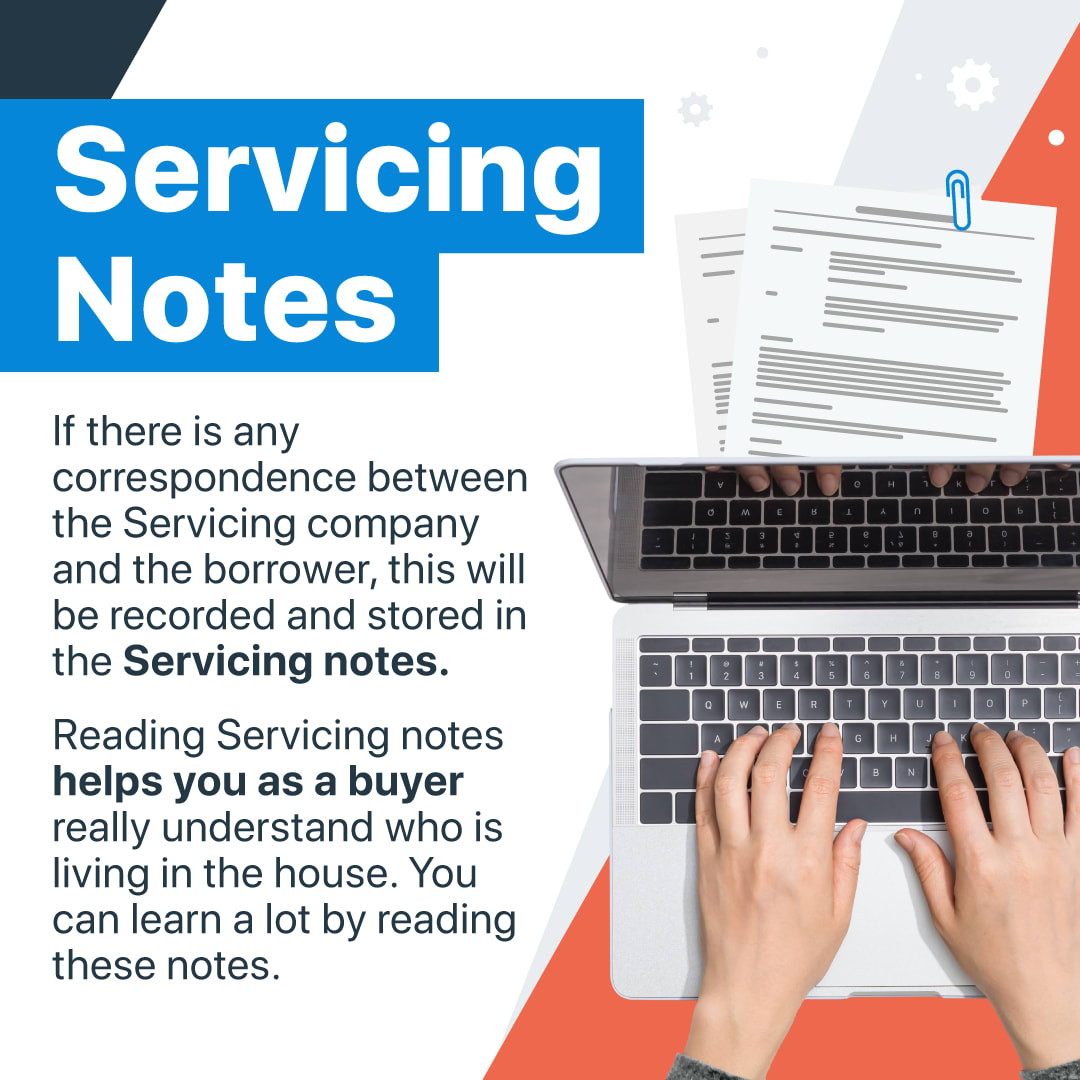
Servicing notes are records of all communication and actions taken by the loan servicer regarding the loan. They provide valuable information about the borrower’s intentions, willingness to cooperate, and potential exit strategies. Reviewing servicing notes helps uncover details that may not be apparent from payment history alone.
Using Payment History & Servicing Notes to Establish the Story Behind the Loan
Payment history and servicing notes together create a comprehensive picture of a loan’s story. By examining these aspects, investors can gain a deeper understanding of the borrower’s situation, whether dealing with performing or non-performing loans.
Payment History: Establishing the Story

Payment history offers valuable insights into the borrower’s financial habits. Analyzing payment records helps determine if the borrower has consistently made timely payments or faced financial hardships. This knowledge is crucial for assessing the borrower’s reliability and financial responsibility.
Furthermore, payment history reveals the amount of money owed. By examining the payment records, we can understand the borrower’s outstanding balance and gain a clearer picture of their financial situation.
However, payment history is more than just numbers on a page. It tells a story.
Key Takeaway: Analyzing the payment history can help create a narrative for the note, providing insight into the borrower’s payment habits.

Servicing Notes: Uncovering Key Information
Servicing notes provide a detailed record of all interactions with the borrower. This record helps investors monitor the loan’s progress and spot patterns affecting its performance. For example, consistent late payments accompanied by valid reasons might indicate short-term financial issues rather than persistent problems.
Importance of Servicing Notes in Note Investing
The importance of communication recorded in servicing notes cannot be overstated. These notes capture the borrower’s intentions, willingness to cooperate, and any potential issues or concerns. By reviewing the servicing notes, investors can gain a deeper understanding of the borrower’s situation and make more informed decisions.
One of the main benefits of using servicing notes is they offer a record of interactions with the borrower. This record lets investors monitor the loan’s progress and spot any patterns or trends affecting its performance. For instance, if a borrower regularly pays late but always picks up the phone and gives a valid reason for the delay, this might suggest a short-term financial issue rather than a persistent problem.
Furthermore, servicing notes can be used to identify potential exit strategies.
How Payment History & Servicing Notes Can Reveal Investment Opportunities
Let’s look at an example of how payment history revealed an opportunity for a deed in lieu. In this case, a loan was deeply delinquent, and the outstanding balance was almost equal to the unpaid principal balance. At first glance, it seemed like a risky investment with little potential for profit.
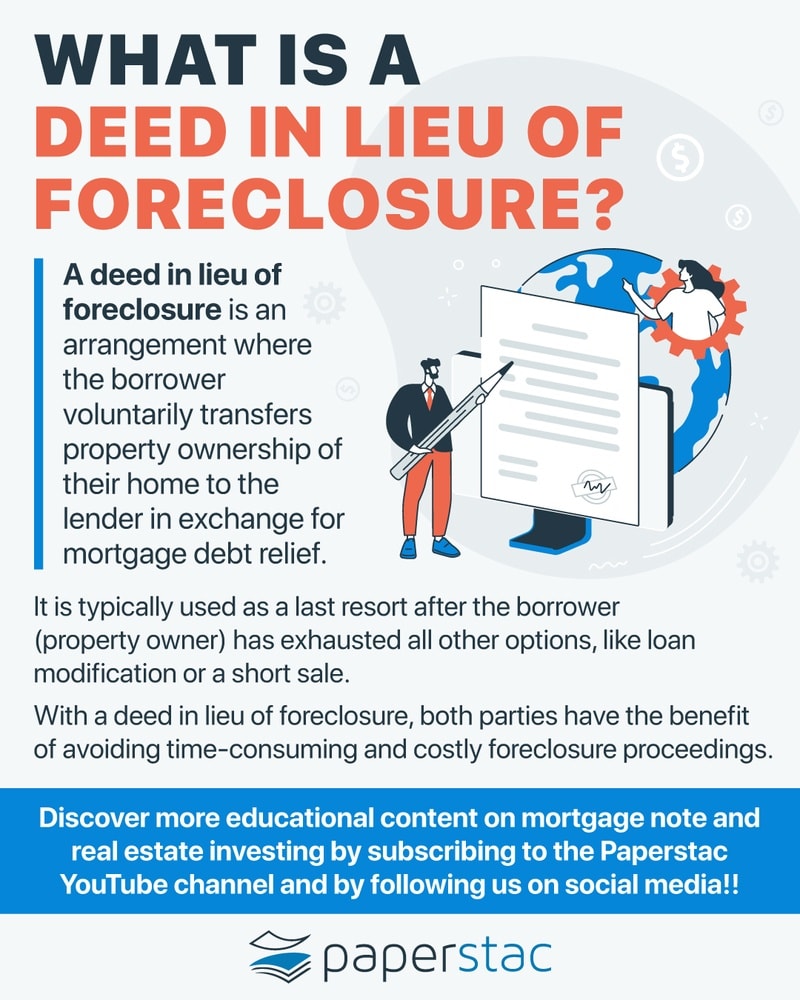
However, upon reviewing the payment history and servicing notes, it became apparent that the borrower was willing to sign a deed in lieu. The servicing notes mentioned the borrower’s intention to cooperate and provided evidence of paperwork related to the deed in lieu. This information presented an opportunity to avoid foreclosure and potentially acquire the property at a lower cost.
Note Investing Case Study: How Payment History & Servicing Notes Revealed an Opportunity for a Deed in Lieu

Background
A deeply delinquent loan with an outstanding balance nearly equal to the unpaid principal balance initially seemed like a risky investment. The borrower had a history of missed payments, and the prospect of foreclosure loomed large.
However, upon a closer review of the payment history and servicing notes, an unexpected opportunity arose: the borrower expressed willingness to sign a deed in lieu of foreclosure.
Payment History & Servicing Notes Analysis

- Payment History Chart

- Servicing Notes Timeline
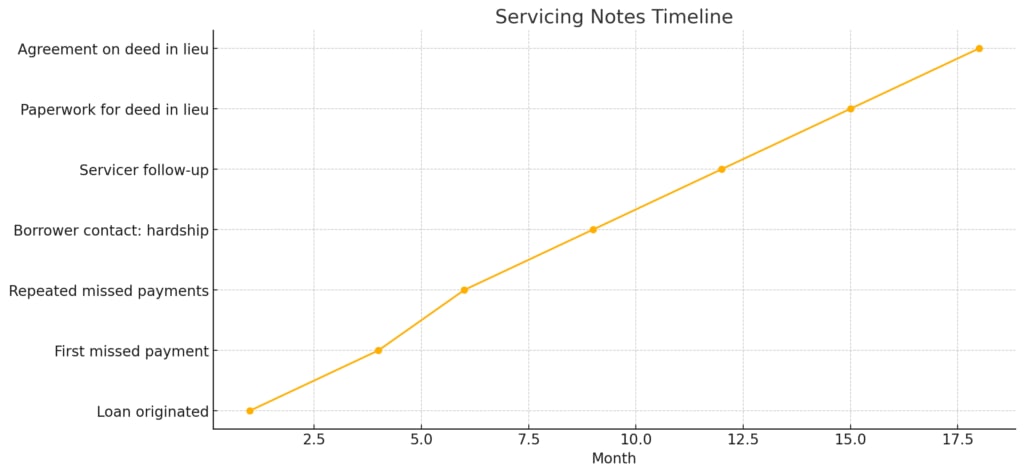
The charts provide a clear illustration of the payment history and key servicing events that led to the deed in lieu agreement, highlighting the critical junctures and borrower interactions.
These visual aids and detailed analysis help demonstrate the practical application and benefits of diligent loan servicing and borrower engagement in managing delinquent loans.
Outcome
By thoroughly reviewing the payment history and servicing notes, the note investor identified a unique opportunity to avoid foreclosure through a deed in lieu. This strategy not only mitigated the risk associated with the deeply delinquent loan but also provided a pathway to acquire the property at a lower cost. This case underscores the importance of reviewing payment history and servicing notes for potential exit strategies.
Deed in Lieu of Foreclosure
Analyzing Payment History and Servicing Notes
Examining the payment history and servicing notes of a loan is crucial in note investing. These two components provide valuable insights into the borrower’s behavior, financial habits, and potential risks associated with the loan.
Examining Performance on Payment History for Performing Loans
Payment history plays a significant role in understanding the borrower’s reliability and financial responsibility. By analyzing the payment history, note investors can determine if the borrower has been making timely payments or if they have fallen behind on their obligations. This information helps evaluate the performance of performing loans and assess the level of risk associated with the investment.
Determining Acceptable Payment Timelines Based on Industry Standards
Industry standards dictate acceptable payment timelines for non-performing loans. Typically, if a borrower is 90 days past due, the loan is considered non-performing. However, note investors need to define their own comfort levels and assess the potential risks based on the borrower’s payment patterns. Some investors may be comfortable with borrowers who consistently pay within a certain grace period, while others may prefer borrowers who consistently pay early.
Evaluating the Risk Associated with Different Payment Patterns
Payment patterns provide insights into the borrower’s financial journey and potential risks associated with the loan. By analyzing the payment history, note investors can identify if the borrower has faced financial hardships in the past or consistently struggled to make timely payments. These details help assess the borrower’s financial situation and make informed investment decisions.
Considering the Role of Collection Efforts in Relation to Late Payments in Note Investing
When evaluating late payments, it is important to consider the effectiveness of the collection efforts. Note investors should review the servicing notes to determine if the servicer has been able to contact the borrower and understand the reasons for the late payments. Communication with the borrower plays a crucial role in assessing the potential for future payment performance and identifying any temporary financial hardships.
Stressing the Importance of Factoring in Borrower Communication When Assessing Risk in Note Investing
Borrower communication is a key factor in determining the level of risk associated with a loan. By reviewing the servicing notes, note investors can gain insight into the borrower’s intentions, willingness to cooperate, and potential exit strategies. Effective communication and cooperation from the borrower can indicate a higher likelihood of resolving payment issues and minimizing the risk of default.
Conclusion
Understanding the importance of payment history and servicing notes is crucial for note investors. These components provide essential insights into the borrower’s behavior and financial habits, allowing investors to evaluate the reliability and financial responsibility of the borrower. Payment history offers a clear picture of the borrower’s payment patterns, while servicing notes document all communication and actions taken by the loan servicer, highlighting the borrower’s intentions and willingness to cooperate.
By thoroughly analyzing payment history and servicing notes, investors can make informed decisions, identifying unique opportunities and assessing the level of risk associated with a loan. This comprehensive evaluation helps investors piece together the complete story of a loan, leading to better-informed investment strategies.

Key Takeaway:
To make informed decisions, note investors must analyze and interpret all available information, including payment history and servicing notes. By examining the payment patterns and reviewing the servicing notes, investors can gain a deeper understanding of the borrower’s story and identify unique opportunities. The combination of payment history and servicing notes helps investors piece together the story of a loan and assess the level of risk associated with the investment.
FAQ

What is the purpose of payment history in note investing?
Payment history plays a crucial role in understanding the borrower’s behavior and financial habits. It helps investors determine if the borrower has been making timely payments. Or if they have fallen behind on their obligations. By analyzing payment history, investors can assess the risk associated with the loan and evaluate the borrower’s reliability.
How do servicing notes help in understanding the story of a loan?
Servicing notes are records of all communication and actions taken by the loan servicer regarding the loan. These notes provide valuable information about the borrower’s intentions, willingness to cooperate, and potential exit strategies. By reviewing servicing notes, investors can gain a deeper understanding of the borrower’s situation and make more informed decisions.

What payment patterns should be considered acceptable?
Acceptable payment patterns may vary depending on industry standards and individual investor preferences. Borrowers who consistently make payments on time or within a certain grace period are typically considered more reliable. However, investors should define their own comfort levels and assess potential risks based on the borrower’s payment patterns.
What role does borrower communication play in assessing risk?
Borrower communication is crucial in assessing the level of risk associated with a loan. By reviewing servicing notes, investors can gain insight into the borrower’s intentions, willingness to cooperate, and potential exit strategies. Effective communication and cooperation from the borrower can indicate a higher likelihood of resolving payment issues. Minimizing the risk of default.

Can payment history and servicing notes determine potential exit strategies?
Payment history and servicing notes reveal exit strategies. Investors can uncover key details about borrower intentions. For example, a willingness to sign a deed in lieu of foreclosure can help avoid foreclosure and reduce costs.
For more on this topic check out the Paperstac YouTube channel.
Paperstac Resources
- Browse notes for sale on Paperstac.
- Find note investing education on Paperstac Academy.
- Check out the Paperstac Blog.
Thank You For Reading
We hope you enjoyed reading this article from the Paperstac Blog! Don’t hesitate to contact jessica@paperstac.com with any mortgage note industry topics or collaboration inquiries you want us to cover on the Paperstac blog.

Paperstac
To gain a deeper understanding of our platform, its features, and the incredible team behind it, and to explore how it can benefit you, we invite you to visit our website.
For more information about us, please visit:
Share This Article
Don’t forget to share this article on your favorite social media platforms and with others you feel can benefit from it.
